Teaching library
The art of touch, explored together.
An introduction to the Zero Balancing studies Judith has taught over the years, from core principles to the skull, organs, and the work of listening.
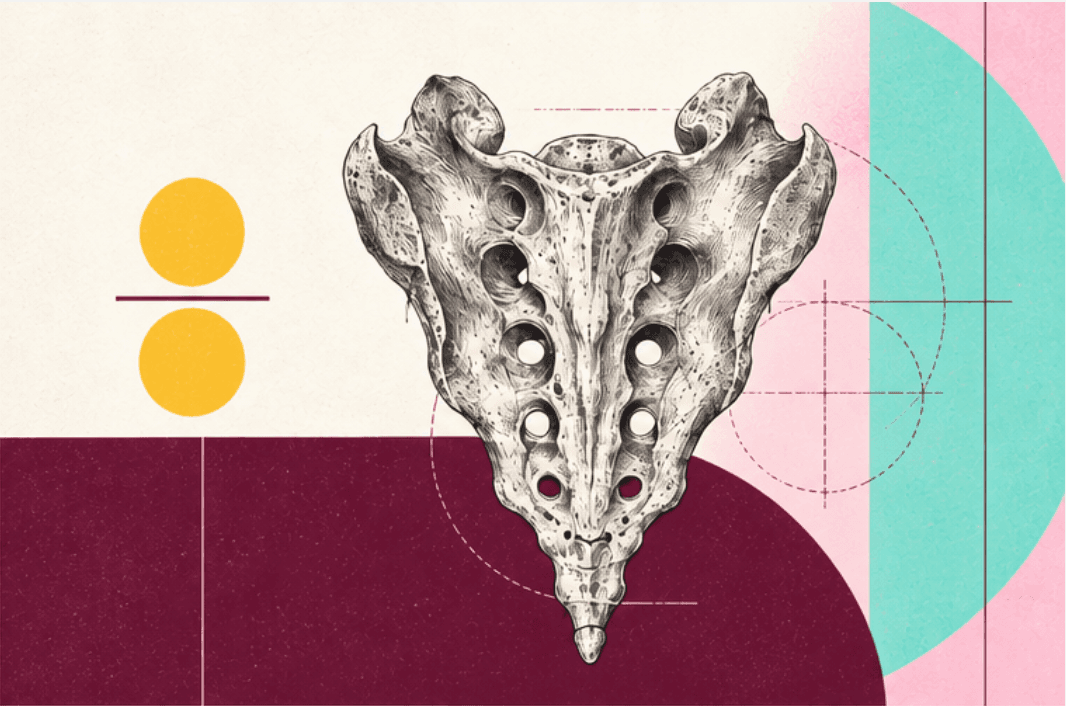
A library, and a place to begin.
These descriptions preserve the teaching subjects from Judith’s earlier website. They describe areas of study, rather than scheduled events. Current dates, prerequisites, prices, and registration details appear on the individual published class pages.
Judith created Secrets of the Skull, Spirit of the Organs, ZBKids, and Fabulous Fulcrums for the Zero Balancing Health Association. Her broader teaching has included the core curriculum and advanced studies below.
Zero Balancing I
The first part of the core curriculum introduces the principles, touch, and sequence of a Zero Balancing session. Demonstrations and practice exchanges let students experience the work both as practitioner and recipient.
- The basic protocol and the energetic anatomy of the skeleton
- The relationship between body structure and energy in ZB practice
- The theory and use of fulcrums
Zero Balancing II
The second part of the core curriculum revisits the basic protocol and develops the quality of touch, focus, and practitioner positioning. It builds on practice between the two core courses.
- Additional fulcrums and an expanded protocol
- Framing a session and refining coordination
- Giving and receiving constructive peer feedback
Alchemy of Touch
An advanced study of Zero Balancing’s approach to energy amplification, boundaries, and framing. Demonstrations and exchanges deepen the foundation established in the core curriculum.
- Amplification and containment in ZB practice
- The use of bone as an energy conduit within the ZB framework
- Noticing working signs and refining a session’s frame
Fabulous Fulcrums
A workshop Judith created to explore fulcrums beyond those usually introduced in the core courses. It brings practitioners together for problem-solving, refinement of touch, and deeper attention to fundamental concepts.
- Foot, ankle, calf, and subtle neck fulcrums
- Body reading and the significance of the second sacral segment
- When to emphasize structure, energy, or simply being present
Freely Moveable Joints
This advanced course extends Zero Balancing principles beyond the foundation and semi-foundation joints of the core protocol. Study centers on the anatomy and range of movement of different joints.
- Shoulder girdle, elbow, wrist, and fingers
- Knee, ankle, metatarsals, and toes
- Adapting fulcrums to the anatomy of a particular joint
Geometry of Healing
An advanced exploration of the concept of fields within Zero Balancing. The course uses demonstrations and exchanges to investigate how practitioners notice, evaluate, and work with these experiential concepts.
- The language of fields in ZB theory
- Practitioner awareness and self-referencing signals
- Deepening foundational skills through practical exchange
Secrets of the Skull
Developed by Judith for Zero Balancing practitioners, this course applies ZB principles to the head, face, and skull. It combines anatomical study with the development of touch and cranial fulcrums.
- Skull anatomy, sutures, and sliding fulcrums
- Relationships among the mouth, teeth, jaw, hyoid, and sacrum
- The palatine and sphenoid relationship, described as the key of the keystone
Secrets of the Skull II
A continuation of the first course, reviewing skull anatomy and fulcrums before refining awareness and technique. The archived workshop invited practitioners to bring questions from their own practice and experience.
- Review of the first course’s anatomy and fulcrums
- Refinement through practitioner questions and exchange
Spirit of the Organs
Judith’s course on applying Zero Balancing principles to visceral work. It brings anatomical study together with interface, fulcrums, and the relationships among internal organs.
- The five cavities and relationships between organs
- Five Element concepts as used in this teaching tradition
- Principles for constructing visceral fulcrums
ZBKids
Created by Judith, ZBKids explores working with children from infancy through the teenage years. Its approach emphasizes connection, play, respect for boundaries, and awareness of development.
- Adapting contact to children at different ages
- Learning through demonstration, stories, and play
- Drawing on childhood experience while respecting each child’s individuality
Open Forum
A practitioner workshop exploring how other modalities can be integrated into the Zero Balancing protocol. The earlier class combined demonstrations with discussion of Judith’s observations and choices during a session.
- Integrating CranioSacral Therapy and visceral work
- Learning through observation, questions, and commentary
- Reviewing fulcrums and refining technique
The Body: A Unity
An earlier intensive program brought Zero Balancing study into a whole-body context. The original 30-week format combined detailed study with weekly touch feedback from Judith and fellow students.
- Bones, sutures, organs, and their relationships
- Developing and refining touch through regular feedback
- Bringing the principles into client work
Balanced
An earlier program for parents combined simple Zero Balancing techniques, meditation, T’ai Chi, and play. It made space for parents to explore practice for themselves as well as their relationships with their children.
- Movement and meditation
- Simple touch practices
- Learning together with curiosity and humor
Navigating the Unpredictable Waters of Parenthood
Judith’s earlier four-session parent education program explored the relationship between structure, function, and development. Its historical teaching topics included the growth of the skull and the lymph system.
- Questions about a child’s development
- Structure and function as subjects of study
- The role of parents, practitioners, and medical professionals
A closer look at practice.
Nine recordings from Judith’s mentoring collection explore fulcrums, feedback, and practitioner technique.
Watch the mentoring seriesFind your next class.
Browse the current schedule or ask about a study group or workshop for your community.
Receive a Zero Balancing session
For private appointments with Judith, learn about Zero Balancing sessions in Charlottesville or explore her bodywork services.